Why Is Lightning Florida's Most Frequent Electrical Emergency?
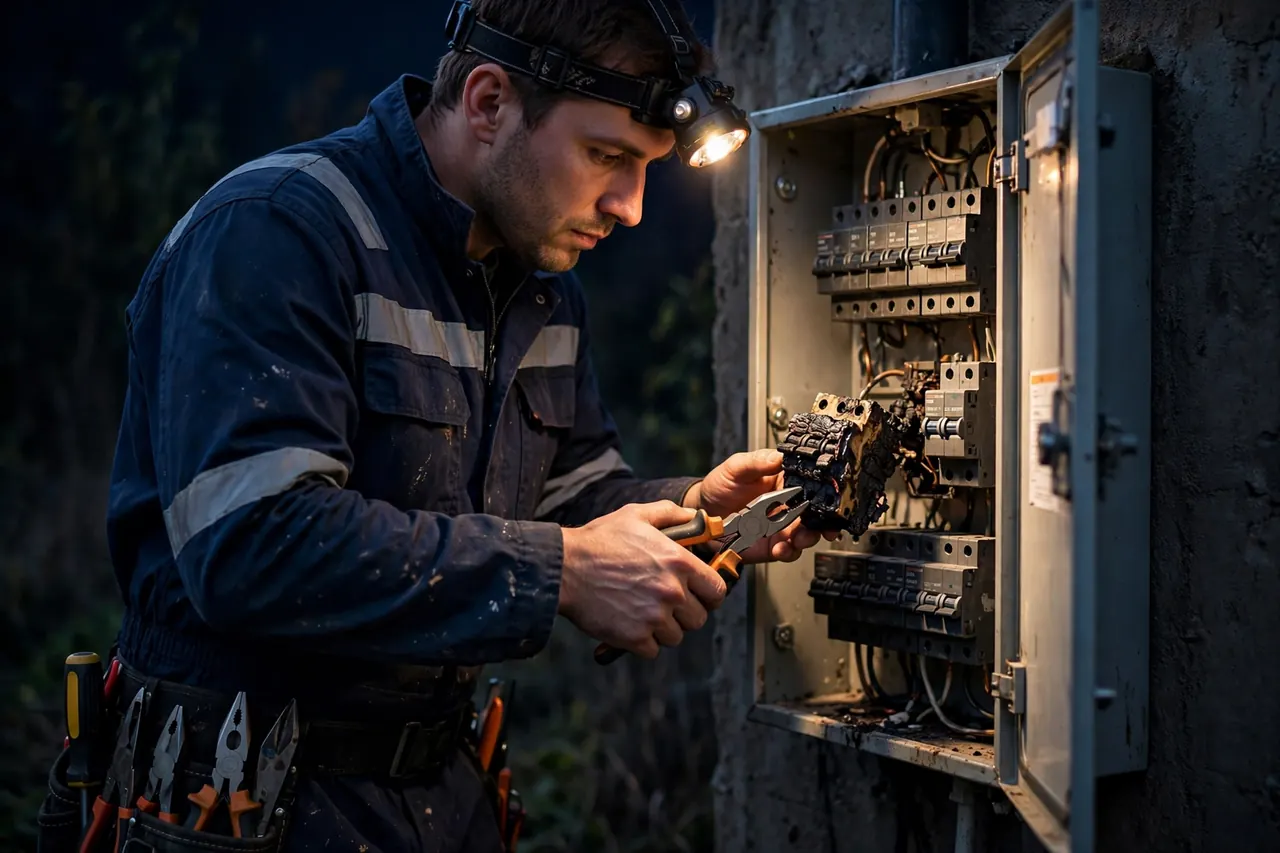
Because Florida's storm season runs for months and its thunderstorms build almost daily. Every nearby strike sends a lightning surge down the service drop and through the electrical panel / breaker panel faster than a circuit breaker can react. The spike looks for weak points — a loose connection, an ageing breaker, the control board on a pool and hot tub circuit — and the damage is often delayed: equipment weakened by one strike fails weeks later under ordinary load.
What Protects A Home Against Strike Surges?
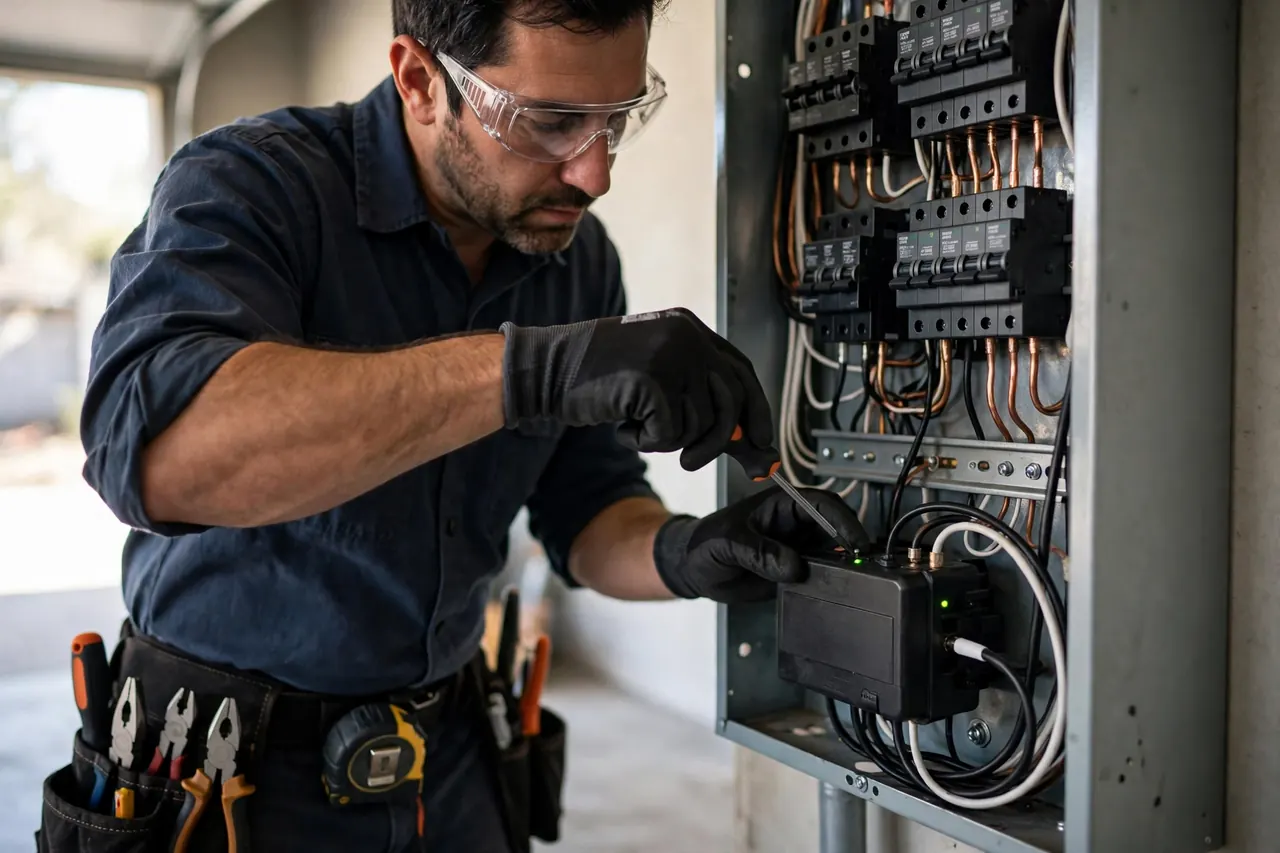
A whole-home surge protector (SPD) fitted at the panel is the main defence, clamping the spike before it reaches the circuits inside. Plug strips protect one device at a time and cannot absorb a strike-level surge at the service entrance. A pro also checks bonding and the grounding electrode / ground rod, because a surge protector needs a sound path to earth to do its job. Homeowners comparing the Gulf Coast pattern can see the same pairing of lightning and hurricanes on the Texas state page.
What Does A Hurricane Do To Your Home's Service Equipment?
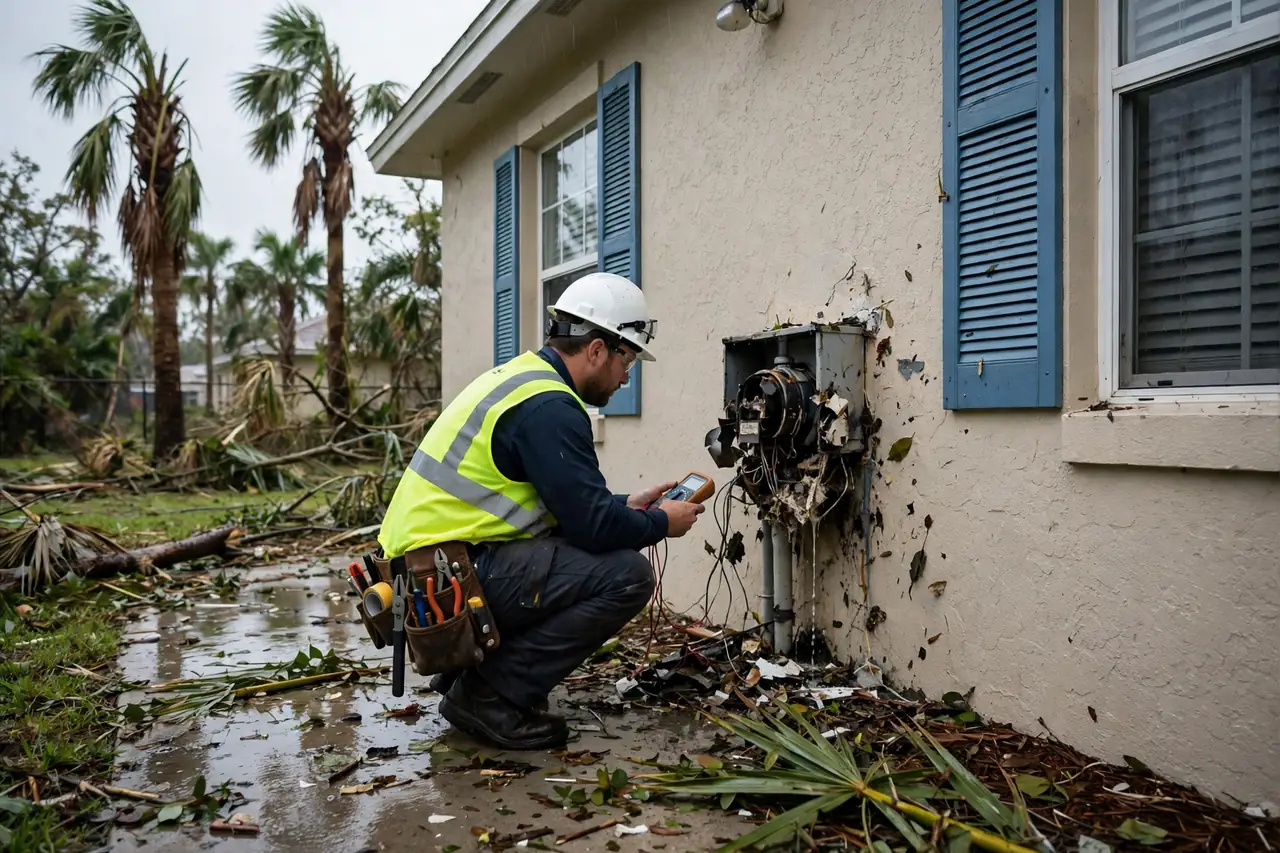
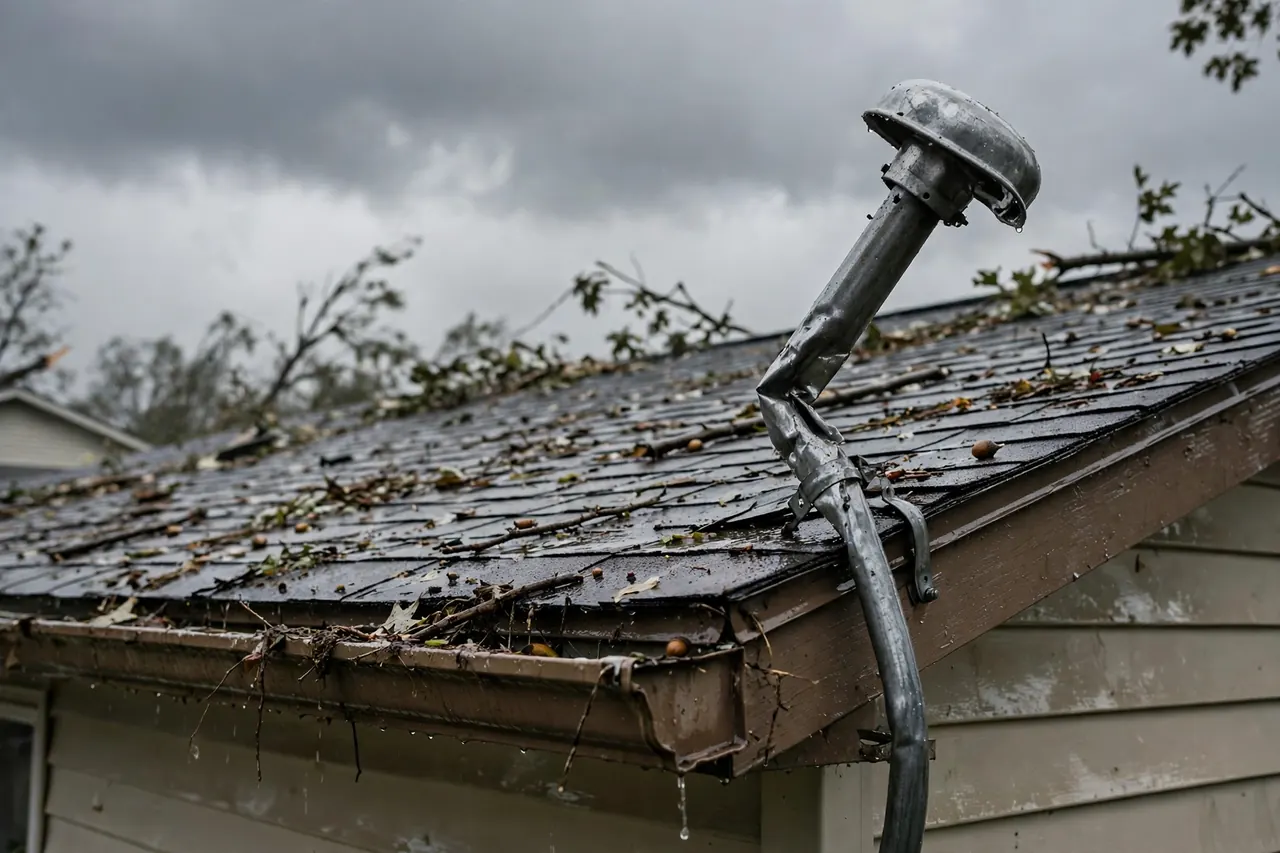
Wind gets there first. Storm damage to service equipment usually starts outside the panel: a service mast bent by a falling branch, a weatherhead torn open, a meter base / meter pan pulled half off the wall. Rain follows the openings, and water intrusion into a live panel is both a shock risk and a fire risk. In Cape Coral and Bradenton, storm surge adds standing water around outdoor disconnects and pedestals to the same list.
Why Must Damaged Service Equipment Stay Off Until It Is Checked?
Because re-energising it can arc, feed power into damaged insulation, or energise the home with an open neutral / lost neutral — a fault that makes voltages swing and burns out appliances. A pro starts with safe isolation / de-energising, confirms what is damaged, and only then talks about repair. If there is fire, heavy smoke or a downed line, leave and call 911 first.
What Are The Steps To Get Power Reconnected After Mast Or Meter Damage?
The order is fixed: make safe, repair the home's side, inspect where required, then the utility reconnects. The electric utility (service provider) owns the service drop and the meter; the mast, weatherhead, meter base and panel connections are the homeowner's side, repaired by a pro. Where the local building / permit department requires an electrical permit and inspection, the inspector passes the repair before the utility reseals the meter. The full sequence is set out step by step in the reconnection guide.
What Slows Reconnection Down After A Big Storm?
Hidden damage does: a neutral burned out of sight, corrosion (bus bars, lugs, outdoor equipment) exposed once the panel opens, or a lost leg of service that only shows under load testing. The first check therefore runs the whole service path, from the weatherhead to the main breaker / main disconnect. Crews also work street by street, so the county emergency management office is the source for area restoration news while your repair waits its turn.
How Does Florida Licence Electrical Contractors Through DBPR?
Florida runs electrical contractor licensing through DBPR, the state licensing board. Its licences come in two forms: one held for work anywhere in the state, and a registered licence that covers work only in the local area where it was issued. Both are public records — the DBPR search shows the licence type, its standing and any discipline on file. Check the business name before work starts, and walk away from anyone working without a state licence: after a hurricane, out-of-area crews with no licence at all are a known Florida problem.
When Does Florida Electrical Work Need A Permit And Inspection?
Panel replacements, service repairs, a panel upgrade / service upgrade and new circuits generally need an electrical permit from the local building / permit department, plus inspection. Like-for-like swaps — one breaker, one receptacle / outlet — usually do not. Work follows the National Electrical Code (NEC / NFPA 70), published by the National Fire Protection Association (NFPA), which is why a replacement panel must add GFCI (ground-fault circuit interrupter) protection in kitchens, bathrooms and outdoors and AFCI (arc-fault circuit interrupter) protection in living areas, whatever the old panel had.