Pop. 116,477
Emergency Electrician In Antioch, CA
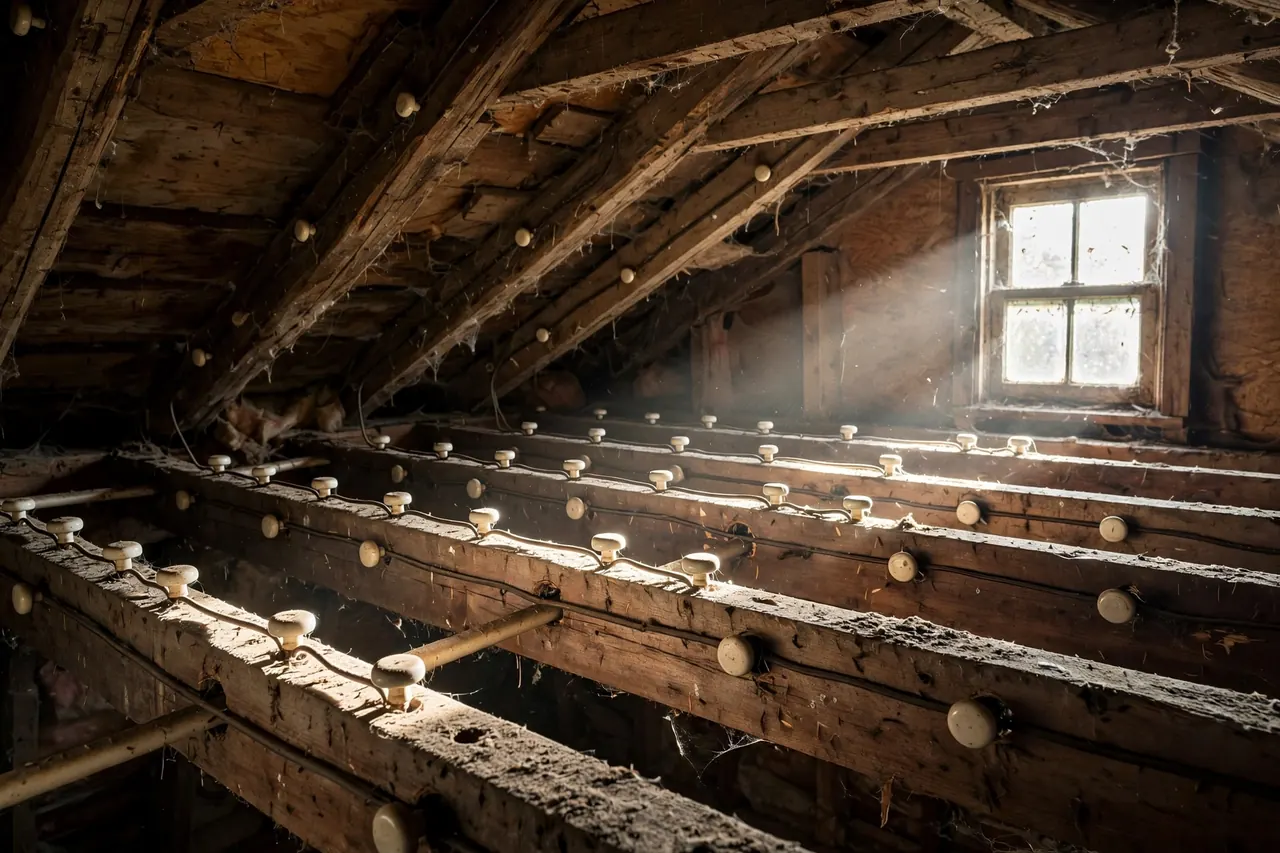
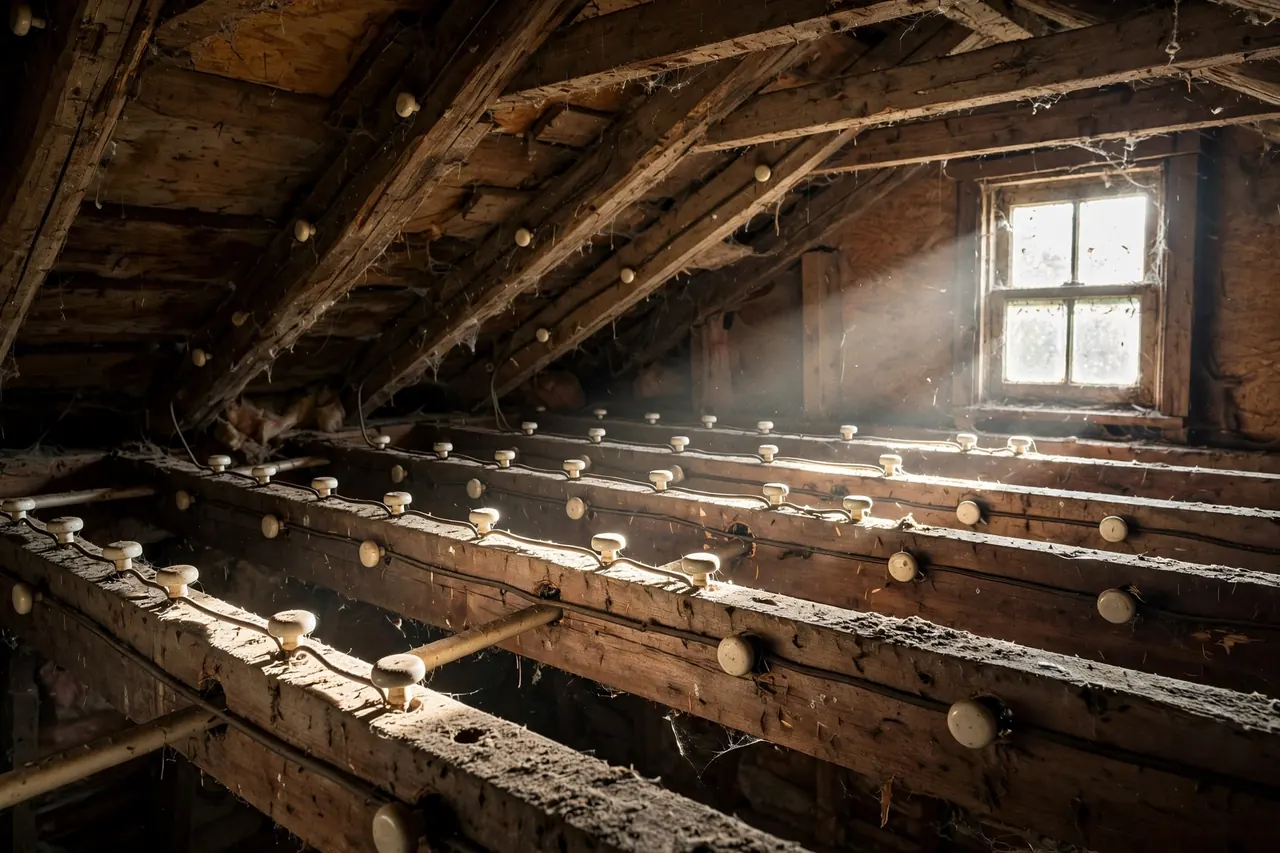
41.1% of homes here were built before 1980, so older panels and wiring are common.
Free Call · Answered 24/7 · Local Pros Near You
Call tonight if you see sparks, smell burning, feel heat from the panel, lose power to half the house, or find water near live wiring. If there is fire, heavy smoke or a downed line, call 911 first. Otherwise, turn off the affected circuit if you can do so safely, keep clear, and make one free call to connect with an independent local pro who can typically arrive in 30–60 minutes.
Call tonight if a fault could start a fire, injure someone, or cut power to heating, medical equipment or refrigeration before morning. The clearest tonight signs are sparks, a burning smell, a hot or buzzing panel, repeated tripping, scorch marks, and power lost to part of the house. Waiting until morning is reasonable only for a single dead outlet with no heat, no smell and no other symptoms anywhere else.
Is This Happening Right Now?
One free call connects you with a local pro who can check it safely — day or night.
Call (800) 555-0100Call 911 first — before anything else, and before calling about the electrics. If there is fire, heavy smoke or a downed line, call 911 first, get everyone out of the building, and stay well away from the line and anything touching it. Do not use water on an electrical fire, do not re-enter for belongings, and do not touch a fallen cable even if it looks dead.
Once everyone is safe and the emergency services have been called, the emergency electrician in California question can wait until the scene is cleared. Fire crews decide when a building is safe to re-enter. Only after that does repair work begin, starting with making the installation safe and checking what the fire or the fallen line damaged.
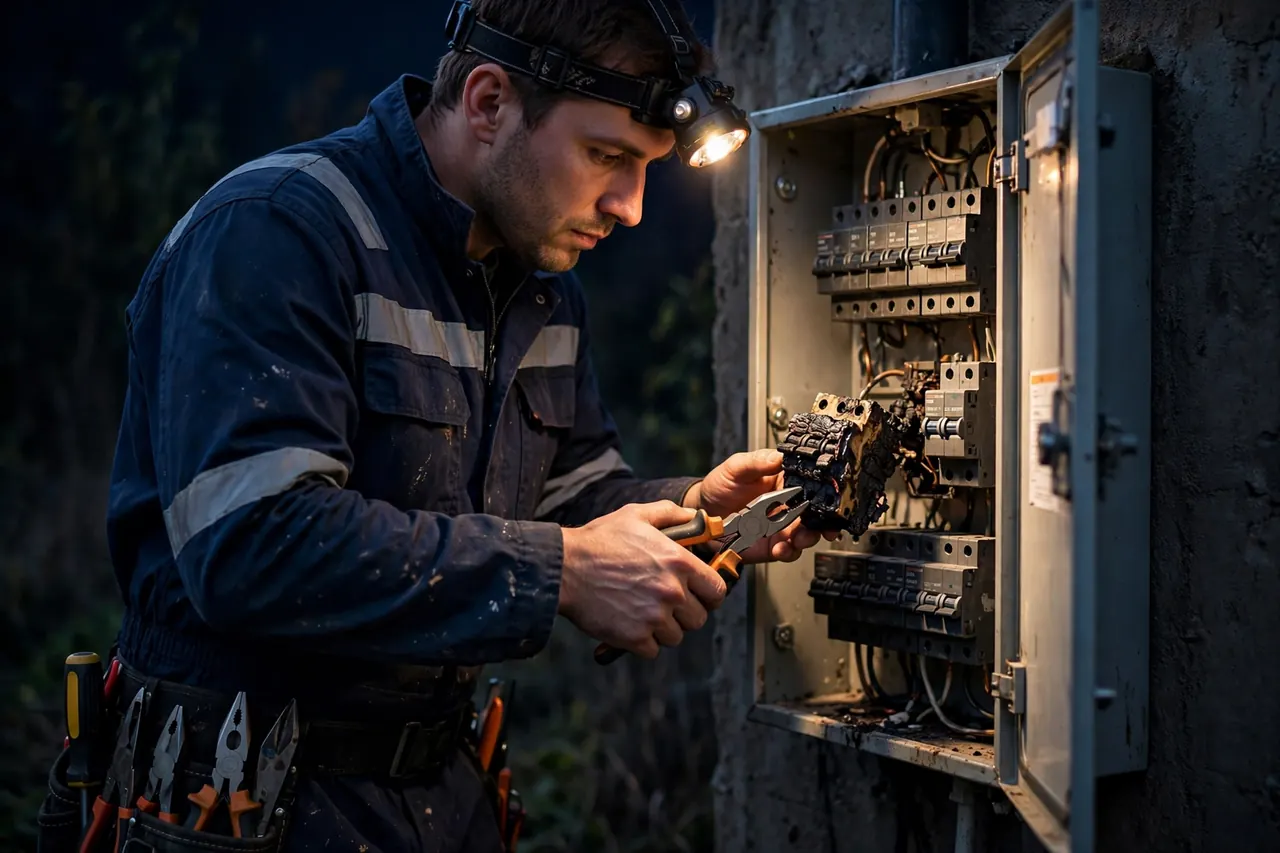
Yes — a burning smell with no obvious source, or a panel that is hot, discoloured or buzzing, is an emergency tonight. Heat at the Electrical panel / breaker panel usually means current is passing through a Loose connection, damaged insulation or failing contacts, and that heat is what chars insulation and starts fires inside walls. A warm cover, a melted smell near breakers, or scorch marks around a socket should never be monitored overnight.
Inside the panel, a pro checks the Bus bar, breaker contacts and terminations, looking for pitting, discolouration and Corrosion (bus bars, lugs, outdoor equipment). Testing uses a Multimeter and a Clamp meter, and Thermal imaging / infrared scan can show a hot joint that looks normal to the eye. Safe isolation / de-energising and Lockout/tagout come before covers come off, and Torqueing panel connections is part of putting the fault right rather than just resetting it.
A Circuit breaker that trips once after an appliance fault and then holds is doing its job; one that trips again straight away, or several times in an evening, is reporting a fault that is still there. Repeated tripping points to a Short circuit, a Ground fault, an Arc fault or an Overloaded circuit. Resetting it repeatedly forces current into that fault each time, so stop resetting and treat the pattern itself as the symptom.
Sparks from a Receptacle / outlet, buzzing from a switch, or a tingle or shock from an appliance are urgent the same night. A tiny blue flick as a plug leaves a socket can be normal, but orange sparks, sparks with a crackle or smell, or any shock at all are not. Protection such as a GFCI (ground-fault circuit interrupter) and an AFCI (arc-fault circuit interrupter) reduces risk, but repeated tripping of either device means the fault behind it needs finding.
Yes, if half the house is dead while the other half works, treat it as urgent tonight. That pattern can mean one side of the incoming supply has failed, leaving large appliances underpowered and motors straining. Check whether neighbours are affected: a street-wide cut belongs to the Electric utility (service provider), while a failure only in your home, at the Service drop or inside your panel, needs a pro.
Other tonight signs include lights that brighten and dim as appliances switch on, which can point to a neutral problem, and any outage paired with a Smoke alarm circuit that has gone silent. A dead alarm circuit leaves the house without warning of fire, which is itself a reason not to wait. Flickering across the whole house, rather than in one room, also points to the incoming supply rather than a single fitting.
Switch off the affected circuit at the Main breaker / main disconnect if you can reach it safely, unplug appliances on that circuit, and keep people and pets away from the faulty fitting. Never open a panel, never touch damaged cable, and never run a Space heater load or other heavy appliance through an Extension cord as a workaround, because cords overheat under sustained draw.
Note what happened and when: which circuit tripped, what was running, whether there was a storm, and whether Water intrusion from a leak or flood reached any socket, panel or appliance. A Lightning surge during a storm can damage boards and protection devices without visible marks, so mention the storm. That short record tells the arriving pro where to test first and can save a long search.
Only the factors can be stated honestly, never a figure before testing. What affects the cost is what the fault turns out to be — a failed breaker costs a different job from damaged panel internals or a section of cable — plus access to the fault, whether parts are needed on the night, and whether making things safe is enough until daylight or a full repair is possible straight away. Any charge is agreed with the independent pro before work starts.
The National Electrical Code (NEC / NFPA 70) shapes what a safe repair looks like, and some work also involves the local building department and an Electrical permit. A Dedicated circuit fault, for example, may need testing along its whole run rather than a simple device swap. Homes in emergency electrician in Florida areas face the same rule: the honest answer follows diagnosis, not a guess over the phone.
Make one free call and the call connects you with an independent local pro covering your area. Help is local, town by town. You might be looking for an emergency electrician in Acampo. The next caller may need an emergency electrician in Acton. Another household could be searching for an emergency electrician in Adelanto. Someone else may need an emergency electrician in Agoura Hills. Describe the sign you found, say whether 911 / local fire department help was needed, and follow any safety instruction given on the call while the pro travels.
This guide applies everywhere we serve. These city pages show local facts, reviews and coverage:
41.1% of homes here were built before 1980, so older panels and wiring are common.
62.6% of homes here were built before 1980, so older panels and wiring are common.
37.8% of homes here were built before 1980, so older panels and wiring are common.
Still not sure what is happening at your home? Call and describe it. A real person answers, day or night, and the call is free.
Reviewed By Hamza
Master Electrician & Emergency Power Restoration Specialist
Hamza is a master electrician and emergency power restoration specialist with extensive field experience resolving critical residential and commercial electrical hazards across California, Florida, and Texas. He specializes in thermal arc-fault diagnostics, emergency panel replacements, storm-damaged service mast repairs, and whole-home surge mitigation to protect properties from electrical fires and extended outages.
Updated October 30, 2026
If your power problem cannot wait, one free call connects you with a local pro — 24/7.
Call (800) 555-0100Free call · Open now · 24 hours a day, 7 days a week