
Pop. 119,767
Emergency Electrician In Brandon, FL
23.0% of homes here were built before 1980, so older panels and wiring are common.
Free Call · Answered 24/7 · Local Pros Near You
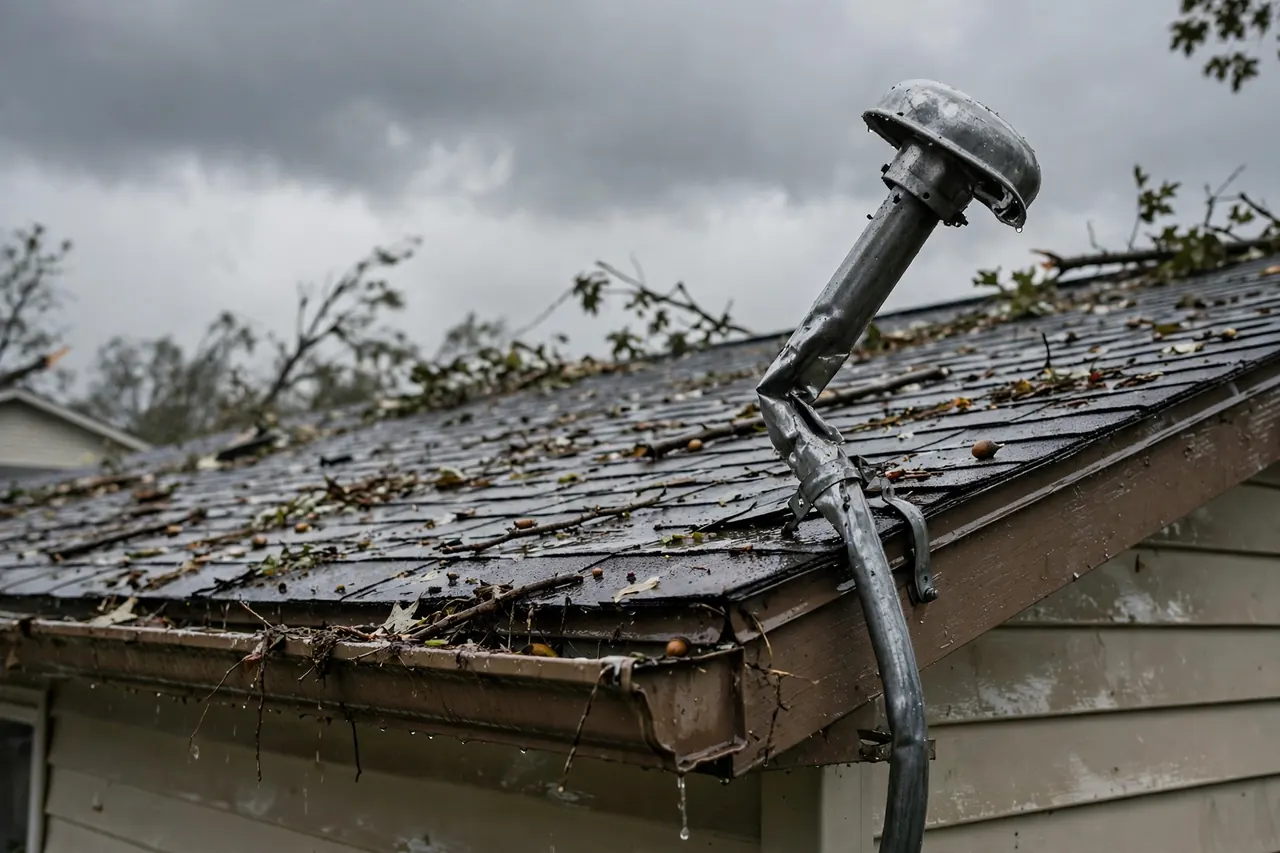
A weatherhead is the fitting at the top of your service mast where the service drop meets your home's wiring, and storm damage to it can let water follow the service entrance conductor straight toward the meter and panel. Do not touch a bent mast or hanging wires. Note what you can see from the ground, keep clear, and make one free call to connect with an independent local pro.
It is the hooded fitting at the top of the service mast, the vertical pipe that rises above your roofline or attaches to the side of the house. The electric utility (service provider) runs its line to that point, and your service entrance conductor continues down through the mast, through the meter base / meter pan, and on to the electrical panel / breaker panel. The hood shape matters: its openings point down, so rain sheds away instead of running inside the pipe toward live parts.
Is This Happening Right Now?
One free call connects you with a local pro who can check it safely — day or night.
Call (800) 555-0100Look from the ground, never from a ladder. A bent or leaning mast, a fitting knocked sideways or torn loose, a separated service drop, cracked seals and dangling wires are all visible signs after high wind, a falling limb or ice loading. Inside, the matching signs are flickering lights, partial power, a lost leg of service, buzzing at the panel, or a circuit breaker that trips when rain starts. Those indoor signs point at water or movement at the service entry, not a fault in one room.
Yes, and that is why distance matters. Bent metal can still hold live conductors under tension, and a loose connection at the entry can arc inside the mast where you cannot see it. Keep people and pets away, do not pull on wires, do not try to straighten anything, and do not open the panel if you can see water near it. Treat every hanging or fallen line as live until the utility confirms otherwise, because storm damage to service equipment often leaves conductors energised in places that look harmless.
Water intrusion is the slow damage that follows the visible damage. Rain entering the hood can travel down the conductor, collect in the meter enclosure, and reach the panel. From there it drives corrosion (bus bars, lugs, outdoor equipment), attacks the main breaker / main disconnect, and creates paths for arcing and heat. A home can keep working for days after a storm while that corrosion spreads, and a lightning surge during the same storm can add hidden damage, which is why one dry day does not clear a damaged entry.
The split follows ownership of the parts. The electric utility (service provider) handles its side: the lines in the street, the pole, and the meter itself. The mast, the fitting at its top, the meter base and everything from there into the house are the homeowner's equipment, so that work belongs to a local pro. If lines are down or sparking in the street, call the utility and keep clear. For the house-side hardware, one free call connects you with an independent local pro — the same route a homeowner uses to find an emergency electrician in Acampo or an emergency electrician in Acton after a storm has passed through.
Safety comes before testing: safe isolation / de-energising and lockout/tagout keep the entry dead while hands are near it, because the utility side can be restored without warning. A pro then reads voltages with a multimeter to confirm whether both legs are present, inspects the mast anchoring, straps and seals, and checks the conductor insulation for cracks, chafing and water. The grounding electrode / ground rod and the bonding connections are checked too, since a pulled mast can tear them loose. Inside, the panel connections are examined and torqueing panel connections is part of putting things right, because storm movement loosens lugs that later overheat under everyday load.
The damaged sections come off and sound sections are kept — the work follows what inspection actually finds. Where the pipe is bent or its anchoring has torn out of the wall, that section is replaced and re-secured; where only the head is cracked, the head and its seals may be all that changes. The utility disconnects the service for the work and reconnects it afterwards. The finished entry is resealed, aligned so the overhead line hangs with proper slack, and checked against the National Electrical Code (NEC / NFPA 70) before power is restored to the home.
Only the factors can be stated honestly, because the figure depends on what the storm actually broke. Height and roof access matter, as does whether the head alone or the full mast needs replacing. Damage that reaches the conductor, the meter base or the panel costs more than damage that stops at the fitting. An electrical permit and inspection, and the timing of the utility disconnect and reconnect, also shape the total. Homeowners comparing help — an emergency electrician in Adelanto or an emergency electrician in Agoura Hills — hear the same rule: any charge is agreed with the independent pro before work starts.
Call the same day you spot the damage, even if the power is working — entry damage worsens with every rain. If the entry is sparking, smoking or making a loud buzzing sound, keep well away and call for emergency help first. Permit and board rules vary by state, which is why state pages exist for an emergency electrician in California and an emergency electrician in Florida. For house-side damage, one free call connects you with an independent local pro who can typically arrive in 30–60 minutes.
This guide applies everywhere we serve. These city pages show local facts, reviews and coverage:
23.0% of homes here were built before 1980, so older panels and wiring are common.
36.3% of homes here were built before 1980, so older panels and wiring are common.
46.0% of homes here were built before 1980, so older panels and wiring are common.
Still not sure what is happening at your home? Call and describe it. A real person answers, day or night, and the call is free.
Reviewed By Hamza
Master Electrician & Emergency Power Restoration Specialist
Hamza is a master electrician and emergency power restoration specialist with extensive field experience resolving critical residential and commercial electrical hazards across California, Florida, and Texas. He specializes in thermal arc-fault diagnostics, emergency panel replacements, storm-damaged service mast repairs, and whole-home surge mitigation to protect properties from electrical fires and extended outages.
Updated October 30, 2026
If your power problem cannot wait, one free call connects you with a local pro — 24/7.
Call (800) 555-0100Free call · Open now · 24 hours a day, 7 days a week
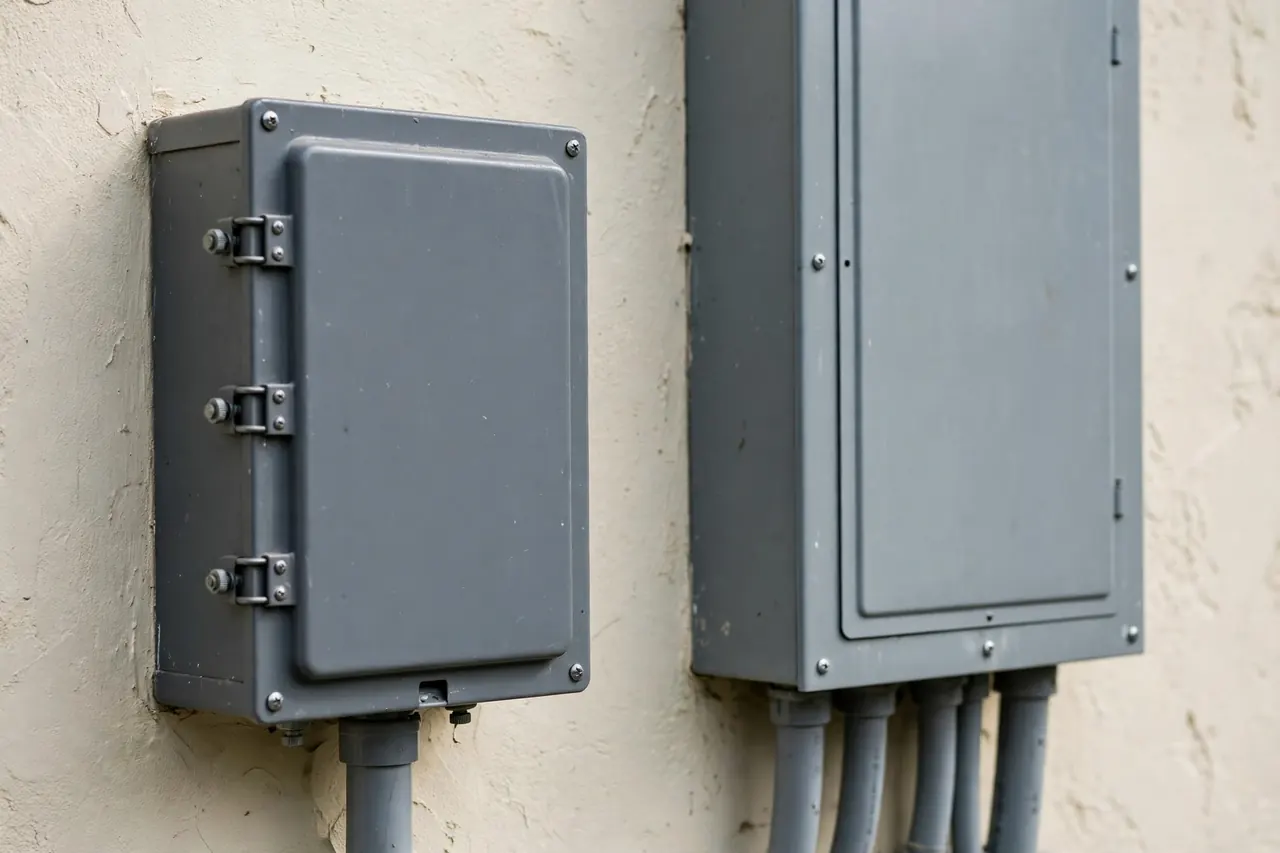
A plain-English emergency guide: what it means, how urgent it is, and what a pro checks first.
7 Min Read · Updated October 30, 2026
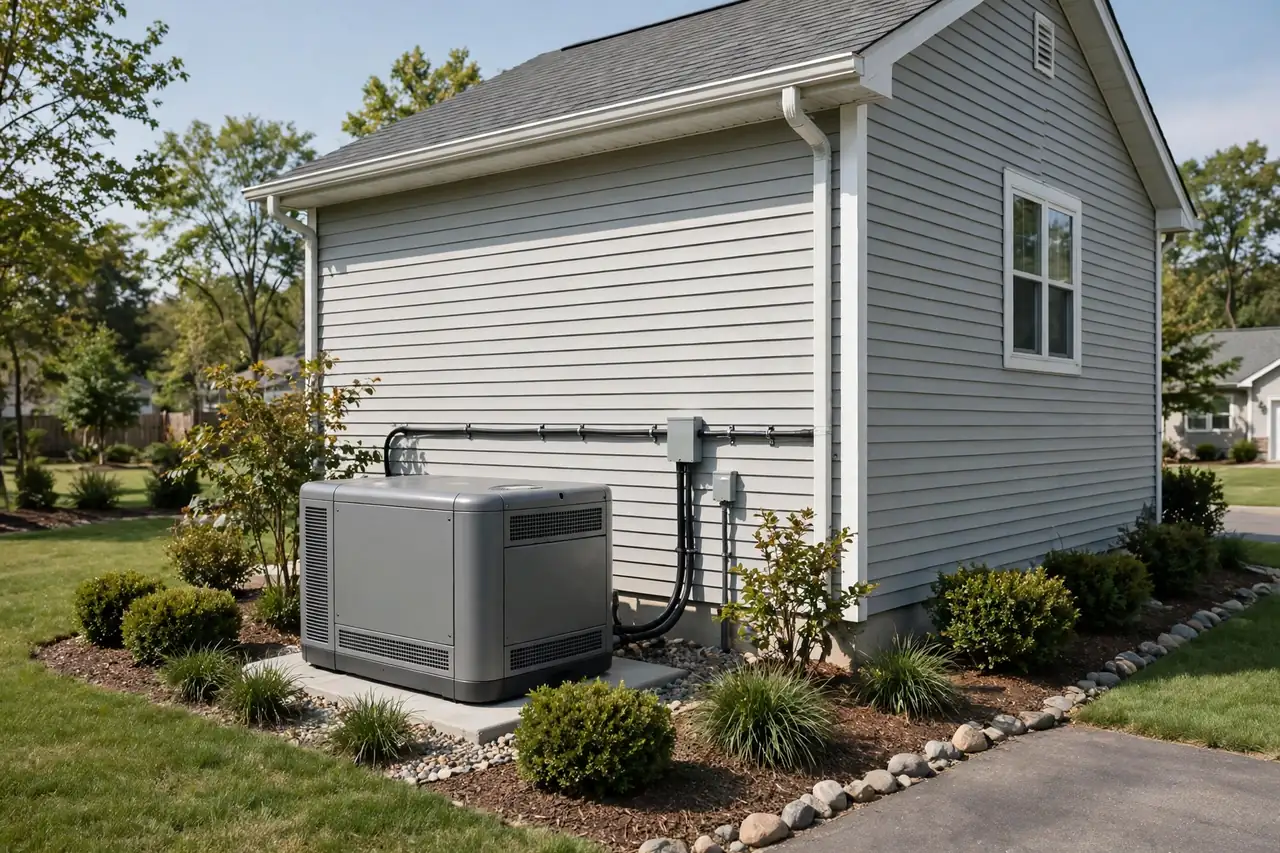
Why arc-fault breakers trip, what the blinking codes mean, and when a trip is protecting your home.
7 Min Read
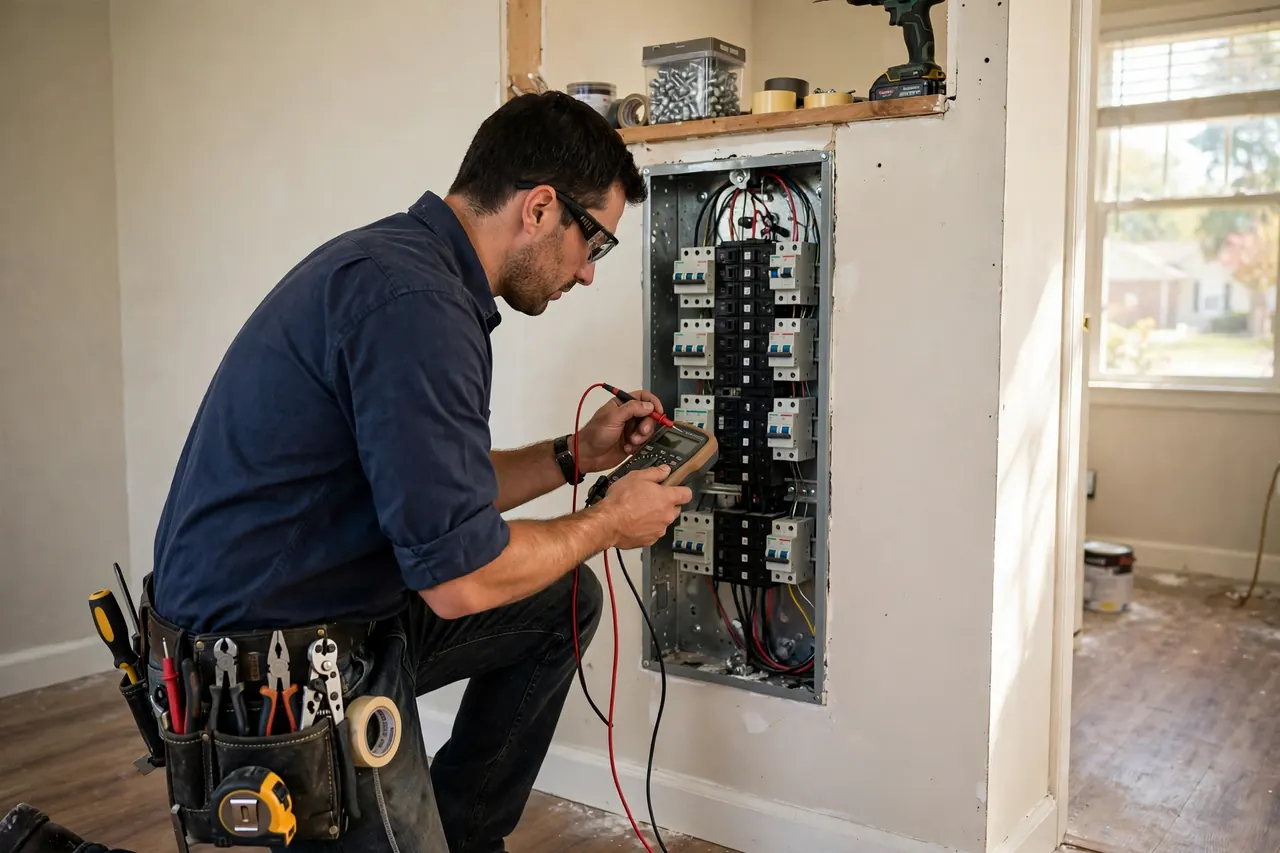
The five real causes of a breaker that will not stay on, and which ones mean call today.
7 Min Read